
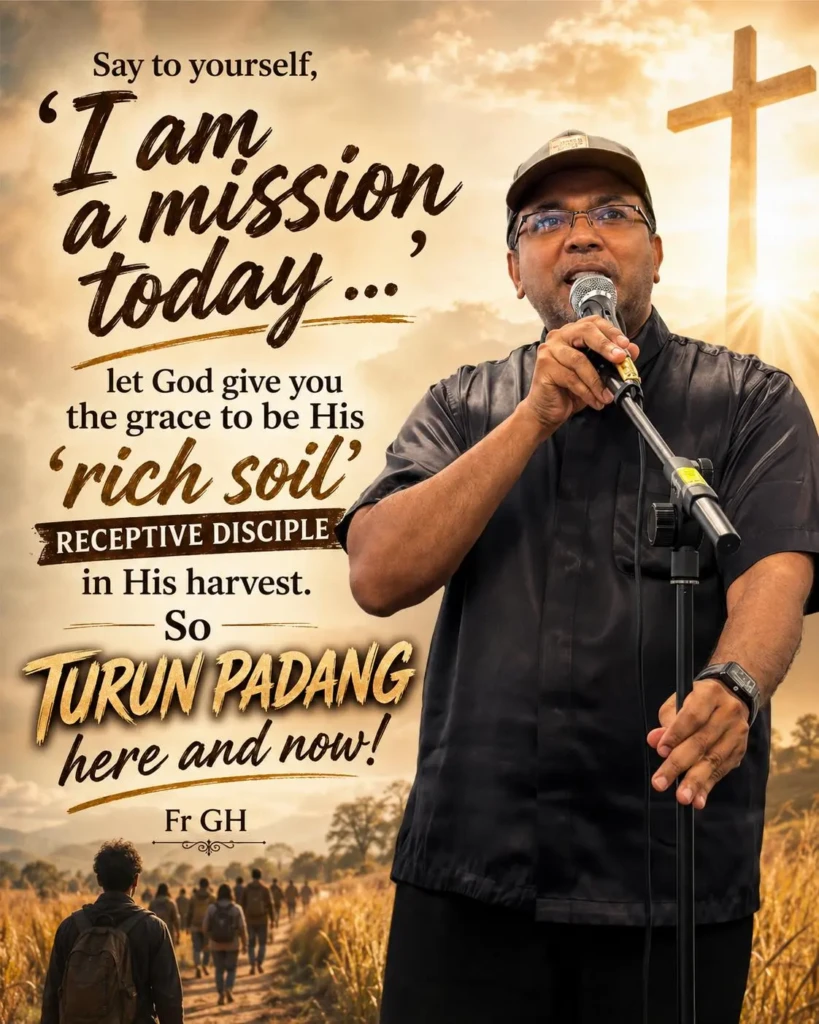
Written by Simon Shanmugham
The retreat focused on personal healing, spiritual renewal, servant leadership, unity, and building a community guided by the
Personal Healing and Renewal
Effective leadership begins with acknowledging our own need for healing. We must give ourselves permission to pause, reset, and recover before we can effectively support and serve others.
This requires courage to uncover hidden blind spots, address unresolved experiences, and recognise patterns that may affect our relationships and leadership.
Stress should be managed through intentional recovery, spiritual guidance, regular reflection, and embracing the sacraments. A restorative environment allows individuals and communities to heal, grow, and thrive.
People-First Culture
Clear boundaries are essential for maintaining healthy relationships and creating a safe and respectful environment for both leaders and the people they serve.
Leaders are called to foster a people-first culture based on trust, openness, mutual respect, and genuine care. Leadership should create an environment where every person feels heard, valued, and supported.
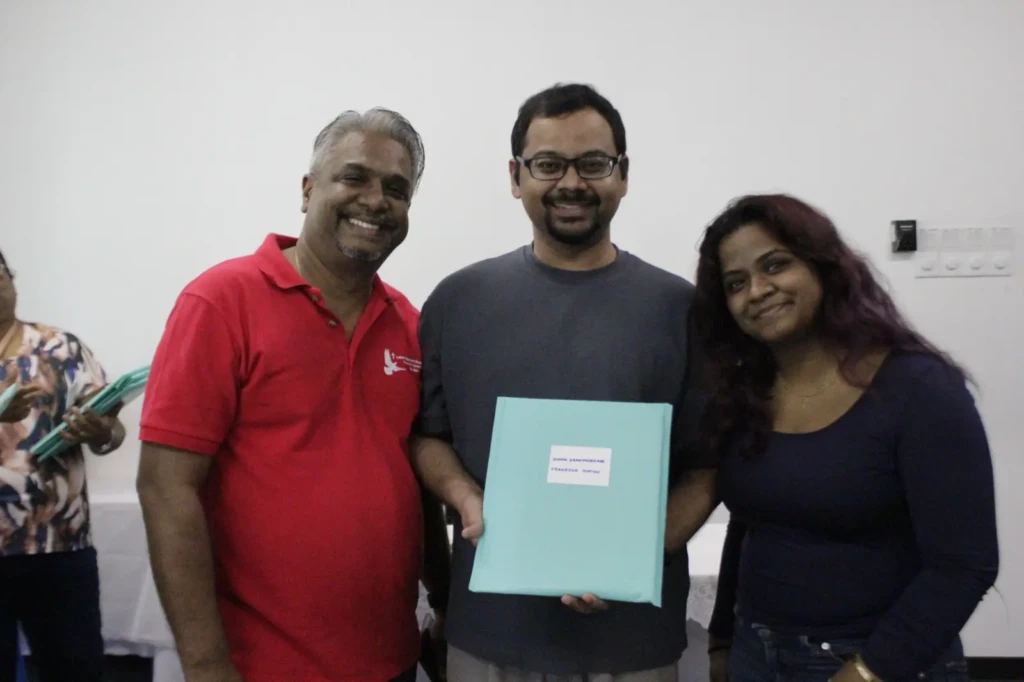
Servant Leadership
Servant leadership requires us to actively listen, show deep empathy, and value the unique experiences and perspectives of others, especially during disagreements or conflict.
We should not serve only when we are given the position we desire or when our efforts are recognised by others. Instead, we are called to serve with humility and meekness, regardless of the role, situation, or recognition received.
Ultimately, our service is not intended to please people, but to honour and serve the Lord:
“Whatever your task, work heartily, as serving the Lord and not men, knowing that from the Lord you will receive the inheritance as your reward; you are serving the Lord Christ.” — Colossians 3:23–24
True servant leadership places God and the needs of others above personal status, recognition, or ambition.
One Body, Many Ministries
As human beings, we may sometimes believe that our own ministry is the most important. However, no ministry is greater than another, and no ministry is insignificant.
We are one body in Christ, made up of many parts. Each ministry, leader, and member has a unique and important role in building up God’s Church.
Although we serve across different ministries, we share one common mission: to serve and glorify the Lord.
Just as a physical body cannot function with only the head or only the hands, our church community needs the Head, Heart, and Hands working together:
Head — providing vision, wisdom, planning, and discernment.
Heart — offering compassion, empathy, prayer, and spiritual care.
Hands — putting faith into action through service and participation.
Every part is needed, and the body can only operate effectively when all parts work together in unity.
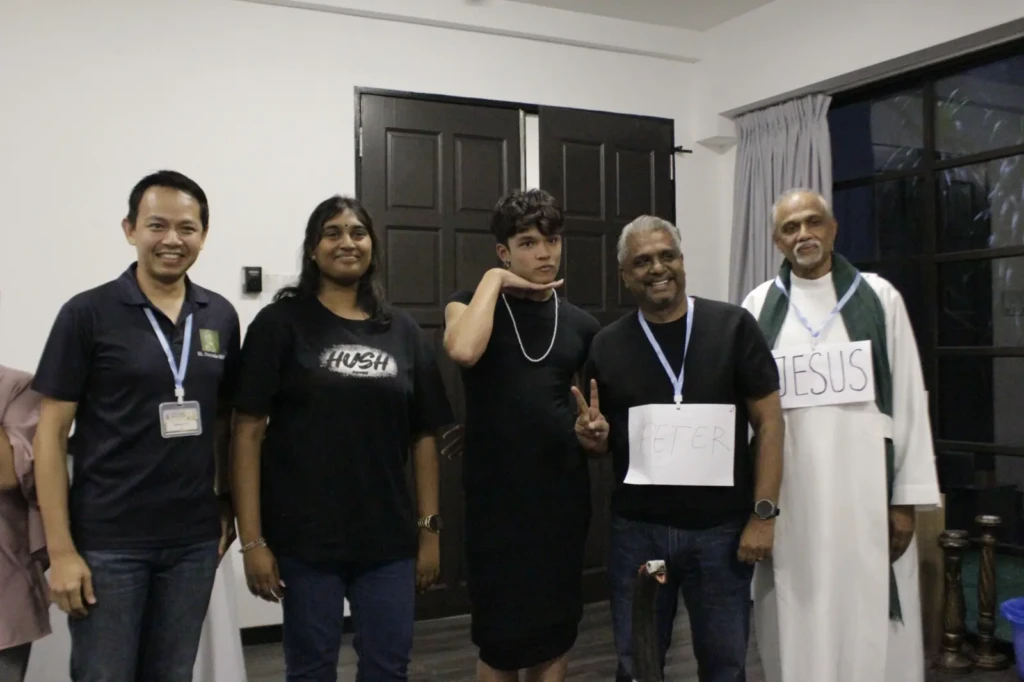
Communion, Participation and Mission
The second day focused on communion, participation, and mission under the guidance of the Holy Spirit.
True communion is developed through shared experiences, personal conversion, prayer, and cooperation with God and one another. Holiness can be understood as the perfection of charity—loving God and serving our neighbour.
Participation means recognising that every person has a contribution to make. Mission calls us to move beyond ourselves and work together to serve the Church and the wider community.
Listening and Discernment
Leaders are called to listen not only with their ears, but also with their hearts. This means seeking to understand the experiences, struggles, and needs of the people they serve before responding or making decisions.
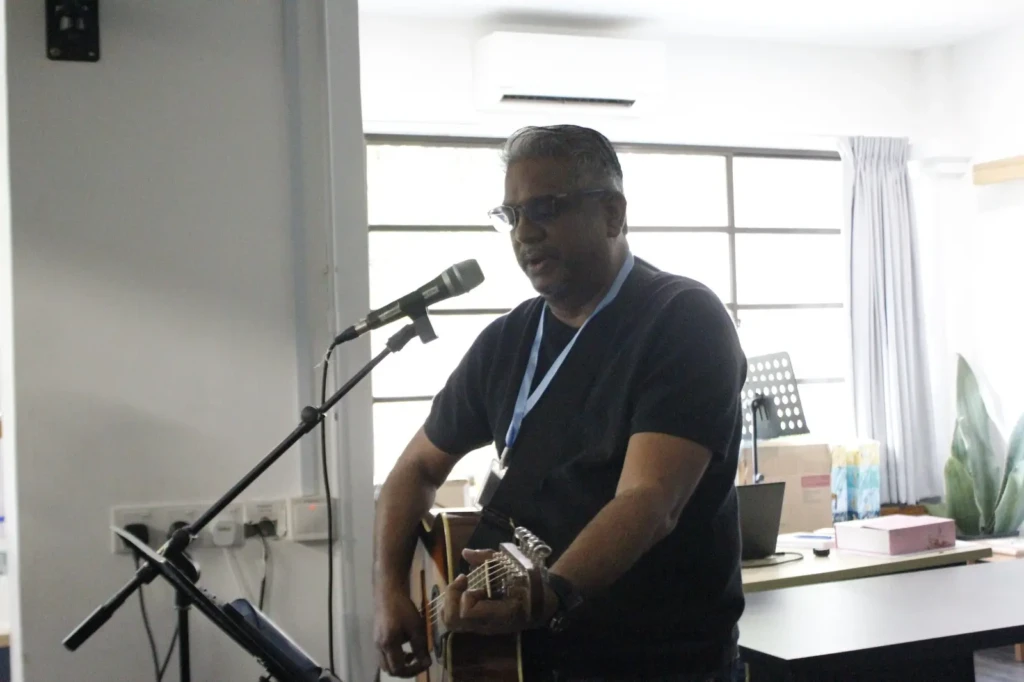
Discernment should be grounded in:
Prayer and openness to the Holy Spirit.
Humility and freedom from personal agendas.
Active and compassionate listening.
Understanding the full situation of the people involved.
Respectful dialogue and consensus-building.
Intentional and responsible speaking.
Speaking the truth while respecting freedom of conscience.
Overall Key Takeaways
Leadership begins with personal healing, spiritual renewal, humility, and the willingness to listen.
We are called to serve faithfully even when our preferred position is not given to us and when our contributions are not recognised. Our service is ultimately offered to the Lord, not for personal praise or recognition.
Every ministry and every person has an important role. By working together as the Head, Heart, and Hands of one body in Christ, we can build a trusted, compassionate, united, and mission-focused church community.
Through servant leadership and the guidance of the Holy Spirit, we are called to create an environment where people can heal, grow, participate, and thrive.